Why Electronics Recycling Services Ensure Environmental Safety
Eco-Friendly Approaches: How E-Waste Recycling Services Are Preserving Our Planet
E-waste poses significant threats to the environment, as abandoned electronic devices commonly carry harmful materials. These toxic materials have the potential to taint soil and water sources, resulting in widespread environmental harm. E-waste recycling initiatives provide a practical answer. They serve the dual purpose of reclaiming precious materials and reducing contamination. Comprehending the operation of these services and their influence on communities is of great importance. The path to successful electronic waste management prompts vital discussions about personal accountability and communal efforts. What steps can be taken next?
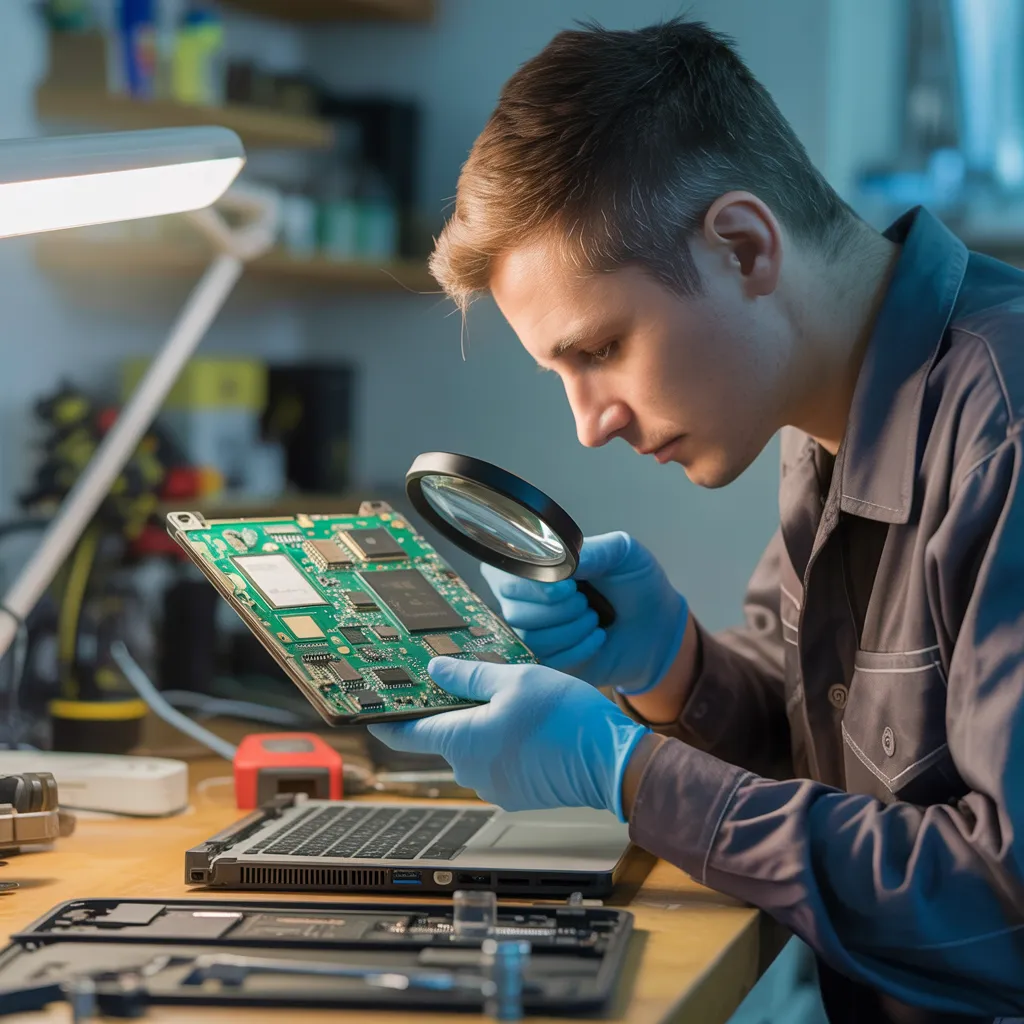
The Reasons E-Waste Is Damaging to the Planet
Even though technology enhances our daily lives, e-waste creates serious threats to the environment. Disposed electronic equipment, commonly laden with toxic substances including mercury, lead, and cadmium, are capable of seeping pollutants into the surrounding soil and water supply, posing risks to both wildlife and human well-being. The accelerating rate of technological innovation contributes to increased consumer turnover of electronics, worsening the buildup of electronic waste.
Landfills, already strained by waste, are unable to keep up with the rising quantities of abandoned electronics. Incineration, another disposal method, releases harmful pollutants into the atmosphere, contributing to air quality degradation. Moreover, poor recycling procedures can cause e-waste to be sent to developing regions, where employees may disassemble electronics without sufficient safety precautions, leaving them vulnerable to harmful substances. This ongoing cycle of carelessness and inadequate management emphasizes the pressing necessity for responsible recycling initiatives that can lessen the harmful consequences of e-waste on our world.
What Is E-Waste and Why Is It Important?
E-waste, or electronic waste, comprises discarded electronic devices such as smartphones, computers, and televisions that have reached the end of their useful life. This rapidly expanding waste category is noteworthy due to its rapid accumulation, fueled by innovation in technology and shifting consumer habits. With an increasing number of devices reaching obsolescence, the toll on the environment grows more severe, with toxic materials such as lead, mercury, and cadmium posing risks to ecosystems and human health.
The importance of addressing e-waste lies not only in mitigating these hazards but also in recognizing the valuable materials View article it contains. Critical metals and rare earth components can be reclaimed and recycled, decreasing the reliance on mining and protecting natural resources. With a thorough understanding of e-waste and its impact, people and organizations alike can make educated decisions about disposal and recycling, helping to build a more sustainable world. Effective handling of e-waste is vital for encouraging a circular economy and advancing environmental responsibility.
How the E-Waste Recycling Process Works
The recycling of e-waste encompasses a systematic process intended to extract beneficial components while limiting ecological damage. To begin, discarded electronics are retrieved and sent to dedicated processing centers. After reaching the facility, the devices undergo thorough sorting to separate hazardous components from recyclable materials.
Following this, employees deconstruct the devices, recovering metals, plastics, and glass. This phase is essential, as it enables the retrieval of precious metals like copper, gold, and silver, which may be utilized in new electronic devices.
Following this, the sorted materials are processed through sophisticated techniques, such as shredding and specialized chemical treatments, to refine them for repurposing.
In the final step, the leftover hazardous waste is handled with responsibility, complying with environmental guidelines. This multi-step approach not only saves important resources but also reduces the dangers linked to irresponsible electronic waste disposal, ensuring a more sustainable future for electronic device usage.
Why E-Waste Recycling Matters for You and Your Community
While many individuals may not realize it, the benefits of e-waste recycling reach well past personal use to meaningfully influence entire communities. By responsibly disposing of electronic waste, individuals help foster a safer environment, reducing hazardous materials that can seep into soil and water. This responsible method works to protect local ecosystems and advances public health.
Moreover, e-waste recycling fosters workforce growth within communities. Local recycling facilities often require personnel for diverse activities, including collection and processing, therefore offering work opportunities to area workers. This not only stimulates the local economy but also inspires community dedication to sustainable efforts.
In addition, knowledge about e-waste recycling may result in awareness campaigns, empowering residents to adopt eco-friendly choices. By taking part in e-waste recycling programs, individuals nurture a culture of sustainability, prompting others to follow suit. All things considered, the collective impact of these actions can contribute to a more robust and eco-friendly community.
How to Pick an E-Waste Recycling Service
Selecting the right e-waste recycling service is essential for guaranteeing that e-waste is processed responsibly and sustainably. To begin, people should check the service's accreditations, such as R2 and e-Stewards certifications, which signify conformance to established benchmarks for secure waste disposal procedures. Additionally, it is advisable to examine the company's standing by checking reviews and looking for advice from dependable sources.
Furthermore, transparency in the recycling process is vital. A reliable service should provide clear information about how e-waste is processed and what happens to the materials. Additionally, considering the scope of services provided can prove valuable; certain providers may offer collection services or present rewards for recycling.
Finally, familiarizing yourself with local regulations regarding e-waste disposal can additionally influence the choice of disposal method. Through focusing on these key aspects, consumers can play a role in effective e-waste management as well as promoting environmentally responsible practices.
How You Can Take Part in E-Waste Recycling?
Getting involved with e-waste recycling can start at the local level, where community recycling hubs regularly supply essential services for responsible disposal. Furthermore, taking part in community awareness campaigns can enhance efforts to inform others regarding the importance of proper e-waste handling. These actions not only advance environmental sustainability but also build a collective sense of responsibility toward the environment.
Area Recycling Stations
Numerous regional recycling hubs perform an important function in e-waste recycling, providing communities with accessible options to handle electronic waste in a responsible manner. These hubs welcome a selection of digital devices, including old computers, smartphones, and televisions, ensuring that harmful materials are handled safely. Many hubs feature knowledgeable personnel who can guide individuals on proper disposal methods, highlighting the value of recycling rather than landfilling. Additionally, several stations organize drop-off events or designated collection days, allowing residents to take part with ease. Through the use of these community services, residents support a circular economy, minimizing ecological impact and fostering sustainable behaviors. Connecting with these stations empowers communities to take action against e-waste pollution effectively.
Community Awareness Campaigns
Local organizations, schools, and businesses can partner to arrange initiatives that encourage e-waste collection drives. Volunteers can play a pivotal role in raising awareness, sharing informational resources, and connecting with local residents. Through these collective efforts, residents become more informed and motivated to recycle their electronic waste, ultimately contributing to a more sustainable future.
Questions We Often Receive
What Types of Electronics Can Be Recycled?
A wide range of electronics can be recycled, including laptops, televisions, smartphones, printers, computers, and gaming consoles. Moreover, accessories such as mice, keyboards, and batteries are equally appropriate for recycling, supporting efforts to conserve the environment.
Do Any Costs Come With E-Waste Recycling?
Yes, e-waste disposal can include charges, depending on the facility. Certain providers apply costs for pickup or handling, while other facilities provide no-cost solutions, often subsidized by the resale of recovered materials.
What Are the Benefits of E-Waste Recycling for Businesses?
Companies can take advantage of e-waste recycling by lowering disposal expenses, enhancing their environmental image, complying with regulations, recovering valuable materials, and possibly earning income through resale, ultimately contributing to a more sustainable operational strategy.
What Happens to Data on Recycled Devices?
Information from repurposed equipment is commonly permanently erased or eliminated during the refurbishment process. This ensures private details stays protected, preventing unauthorized access while permitting components to be reused carefully and ethically within new applications.
Is It Possible to Recycle Damaged Electronics?
Yes, damaged electronics may be recycled. Several recycling centers receive broken devices, providing proper disposal and extraction of precious materials. It helps minimize environmental impact while promoting sustainable recycling habits to handle e-waste effectively.